
Lighting Talk #2
hello! this is about perfume

Lately, I’ve been getting very into perfume samples.
My last foray into the fragrance market wasn't particularly successful. When I was about 12, my grandmother purchased what I recall as being a Cheeky perfume for my sister and me. While a quick look at the brand's website seems to imply that the children’s brand does not sell perfume, I do still know, for a fact, that this perfume, wherever it was really from, was A. marketed at youths B. headache-inducing.
Thankfully, just over a decade later, my inquiries are proving more fruitful. While I am largely unable to distinguish between floral notes and remain resistant to 'clean' scents, I can now tell you a number of other things, like how long it takes to become a perfumer (typically ten years, and you should probably also learn French), at least two perfumes I quite like ( Maison Margiela's By The Fireplace and Imaginary Authors' A Whiff of Wafflecone), and that Ben Whishaw (of Paddington fame) was in a movie called Perfume: The Story of a Murderer (He plays Jean-Baptiste Grenouille and does not have a French accent).
Having gathered these important facts and many more, I will now impart the rest of my limited wisdom on this subject to all y’all.
From what I’ve gathered so far, the most useful (?) thing to know about perfume is not to smell a scent directly after spraying it. This is because most perfumes contain varying degrees of alcohol (used to diffuse and lift different notes), and while it evaporates almost instantly, a poor display of temperance will get you a nose full of ethyl alcohol (which smells terrible). It's also worth noting that your body chemistry plays a tremendous role in how a fragrance smells, so what smells nice on a friend or blotter might not necessarily work for you. Does this sound like a scam yet?
Terms like perfume and cologne also don't refer to anything more than the concentration of the scent, which the Perfume Society breaks down as such:
Extract/extrait/solid perfume: 20-30%
Perfume: 15-25 %
Eau de Parfum: 8-15%
Eau de Toilette: 4-8%
Cologne: 2-4%
Body cream/lotion:3-4%
After Shave/Splash: 2-4%
Soap: 2-4%
So while cologne has become a catch-all for scents marketed toward men, the majority actually tend to be eau de parfums or eau de toilettes. Mic posits that modern marketing is largely responsible for the distinction, which I suppose makes sense (scents? haha.) even if they don't go to any particular lengths to explain this theory.
The higher the concentration of a scent, the longer it will last on your skin, and consequently, the more it will cost. I was surprised to learn that the ballpark of $100 USD is not unusual for scents, though I suppose we can meditate on the aforementioned "10 years to become a perfumer."
Scentbound, a website I had never heard of before beginning this journey, also has an interesting (and relatively straightforward, b’h) explainer of where the cost of higher-end perfumes emerges. Surprisingly, or perhaps not at all, very little of it stems from the price of the ingredients.
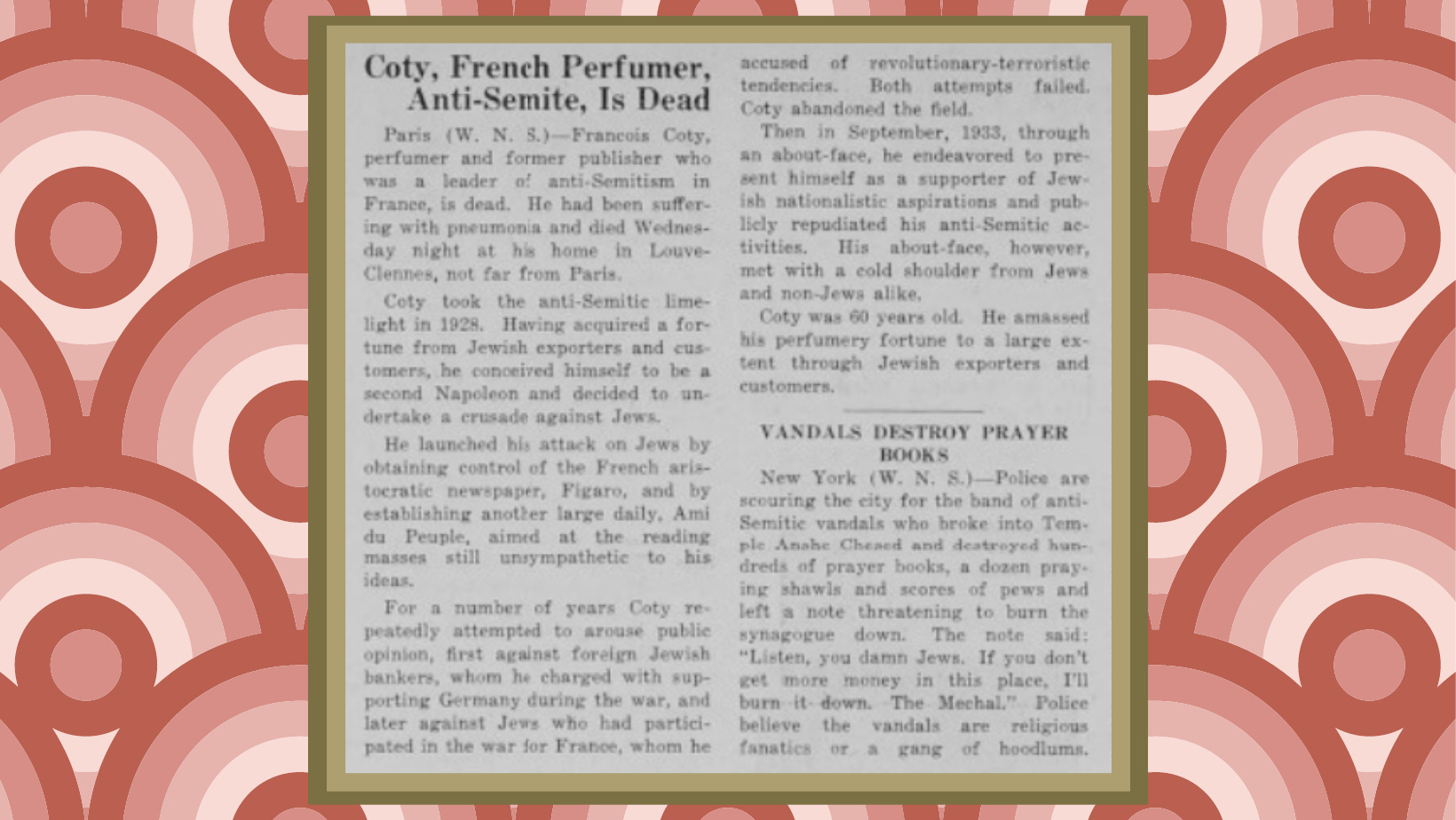
In a similar vein to the mark-ups Scentbound describes, the Smithsonian’s article on fragrance made me laugh when it explained that, in the 1920s, French perfumer and enemy of Communism François Coty realized that customers were “willing to pay for small amounts of perfume in exclusive-looking bottles,” because honestly? Coty is correct. There are few (material) things I love more on this earth than a good glass jar. In the century that’s followed his epiphany, a steady collectors market of vintage bottles has emerged, and there are regular round-ups of the prettiest perfume bottles appear across the web.
Of course, perfume had to be stored in something before Mr. Coty’s bottles. Madeleine Muzdakis’ “Inhale the Long History of Artfully Designed Perfume Bottles” and Scent Lodge’s “A Brief History of Perfume Bottles” offer a fun, picture-forward overview of perfume containers through the ages.
For those more interested in the history of the scent itself, Sarah Everts also has a brief look at the history of perfume for Literary Hub and for a more governmental tint, the second half of Thinking Allowed’s episode “Perfume” invites Dr. Karl Schlögel on to discuss Moscow Red, Chanel No. 5, and the political implications of perfume.
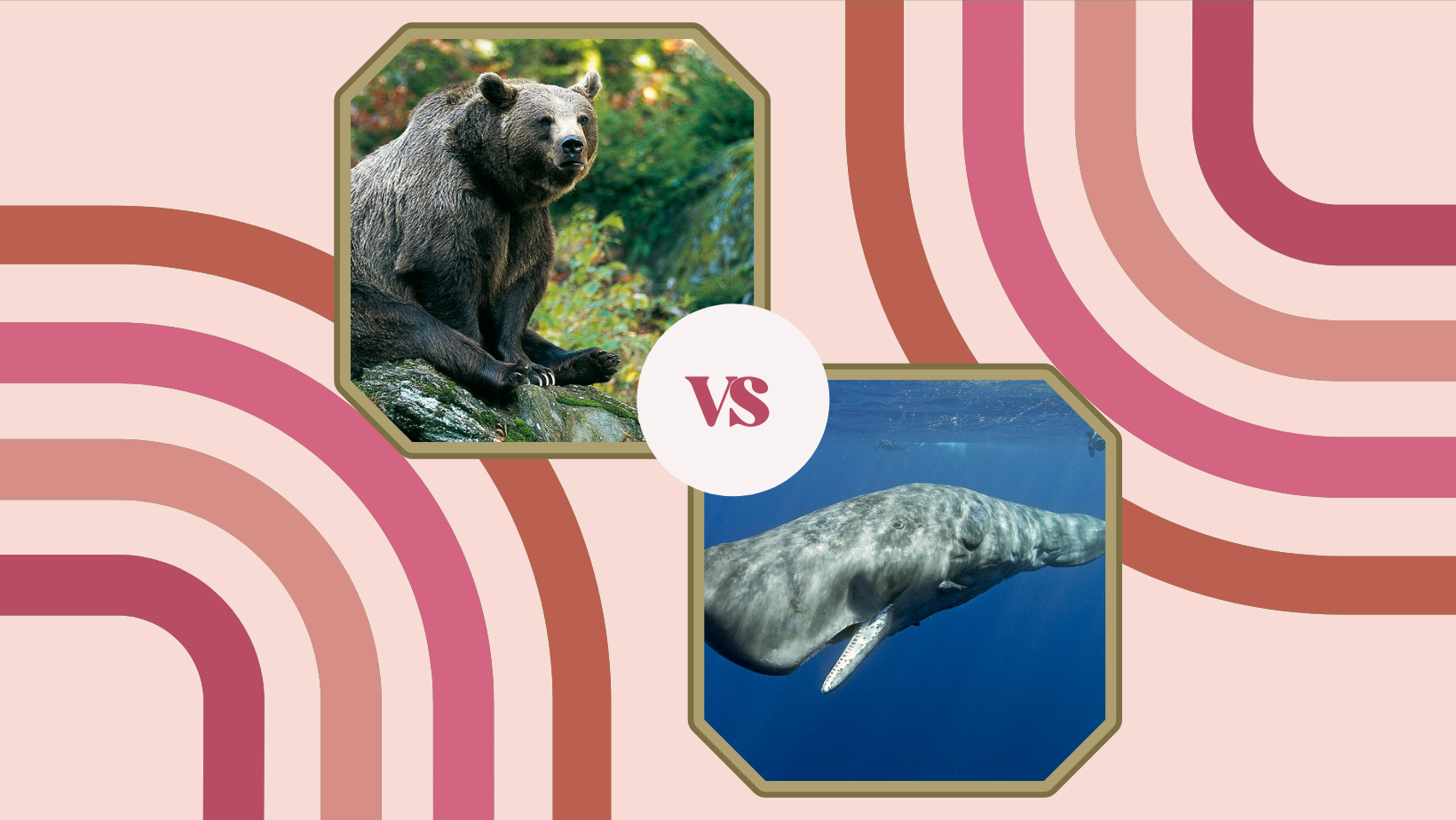
For the morbid and, also, animal haters, Katy Kelleher's "The Ugly History of Beautiful Things: Perfume” weaves together a remarkable talent for describing scents and a conspectus of animals (and animal abuse) in perfumery. And while less perfume forward, William Tullett's paper "Grease and Sweat: Race and Smell in Eighteenth-Century English Culture" does feature the incredible revelation that bear fat was part of eighteenth-century British perfumery. While I can't imagine it was easier to hunt a whale, which is at least the size of at least 100 bears (27.6 ton female sperm whale ÷ 550 lbs European brown bear = 100.363636 bears per single small sperm whale), the idea of going after a bear for any reason whatsoever seems much more frightening. This is perhaps because, more than anything, I am a coward. Also, I have also never seen a whale in person.
Stateside, the Institute for Art and Olfaction — a nonprofit in Los Angeles “devoted to education, access and experimentation in the field of perfumery" — hopes to highlight and celebrate non-European fragrance traditions, and their statement of commitment section lists the following resources:
I haven’t read through all these yet, but I am spotting a particular focus on European conventions in most introductory articles, despite a heavy emphasis on ancient Egypt’s role in its development, so it’s nice to have something on hand to look beyond France’s luxury perfumes. So far no dice on Latin America’s history of fragrance, but I also have not looked very hard.
Of course, no diatribe on perfumery would be complete without a rumination on the oft-maligned celebrity perfume. With one of the most lucrative perfume empires of all time, Ms. Britney Spears may be the undisputed queen of this particular domain (Curious, her debut fragrance, was even a finalist in the Women’s Luxe category at the Fragrance Foundation Awards alongside luxury brands like Dior, Prada, and DKNY), but Elizabeth Taylor is widely credited as having had the first celebrity perfume with the advent of White Diamonds.
Mind you, Wikipedia's list of celebrity-branded perfumes has a number of perfumes — including an earlier Elizabeth Taylor perfume — listed before White Diamonds, which is confusing. In her astoundingly thorough “A Cultural Autopsy of the Celebrity Perfume,” Miccaeli explains that “a celebrity creating their own perfume never succeeded until Elizabeth Taylor,” though I don’t feel as if this clears much up.
Oh well, I suppose confusion is an inescapable facet of life.
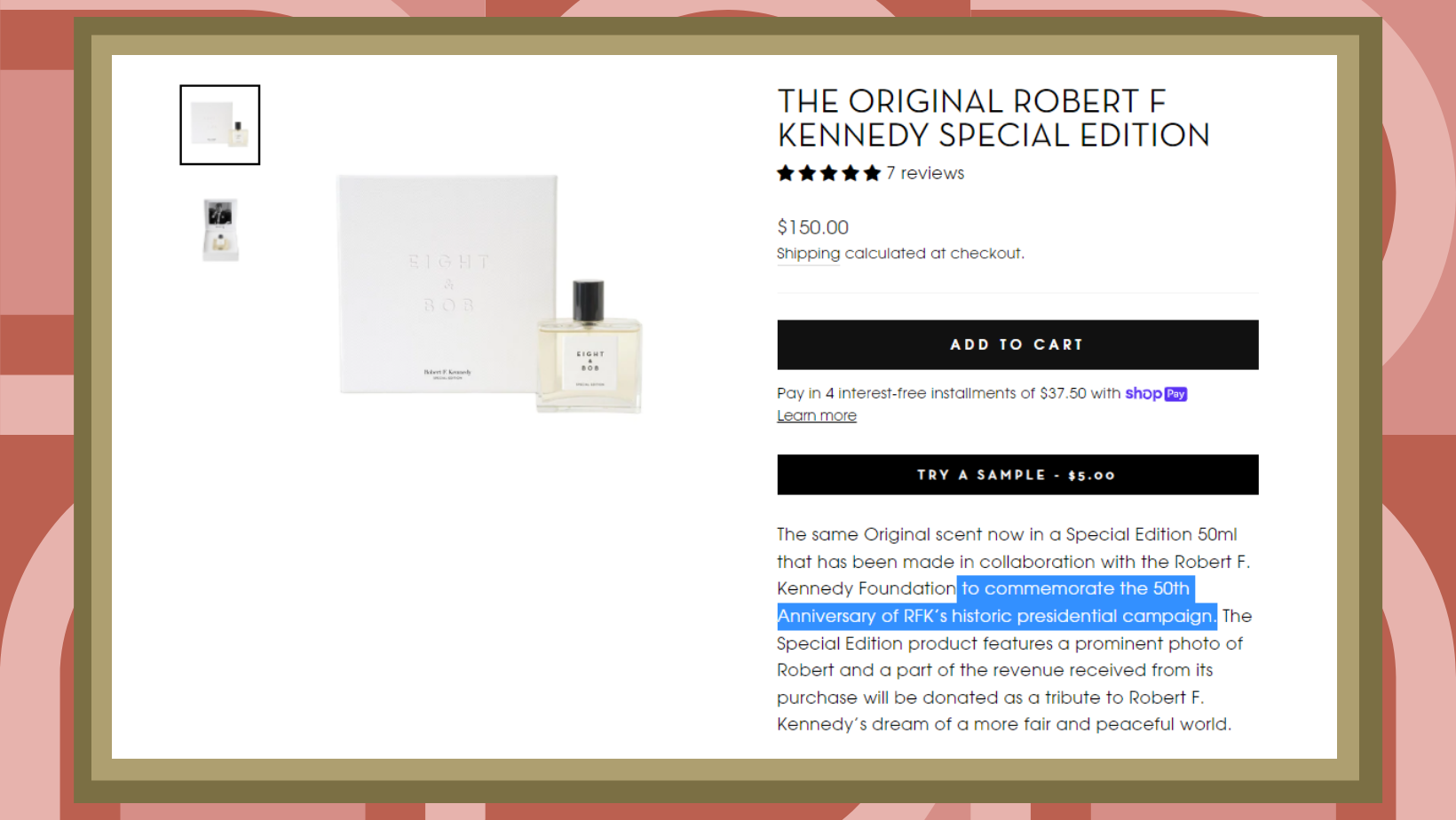
Wikipedia's list also raises a number of questions that have nothing to do with Elizabeth Taylor, including: Should Alan Cumming have been allowed to name his scent Cumming? Who exactly is the target audience for a Robert F. Kennedy celebrity perfume? And where can I get my hands on a bottle of Kermit the Frog’s Amphibia?
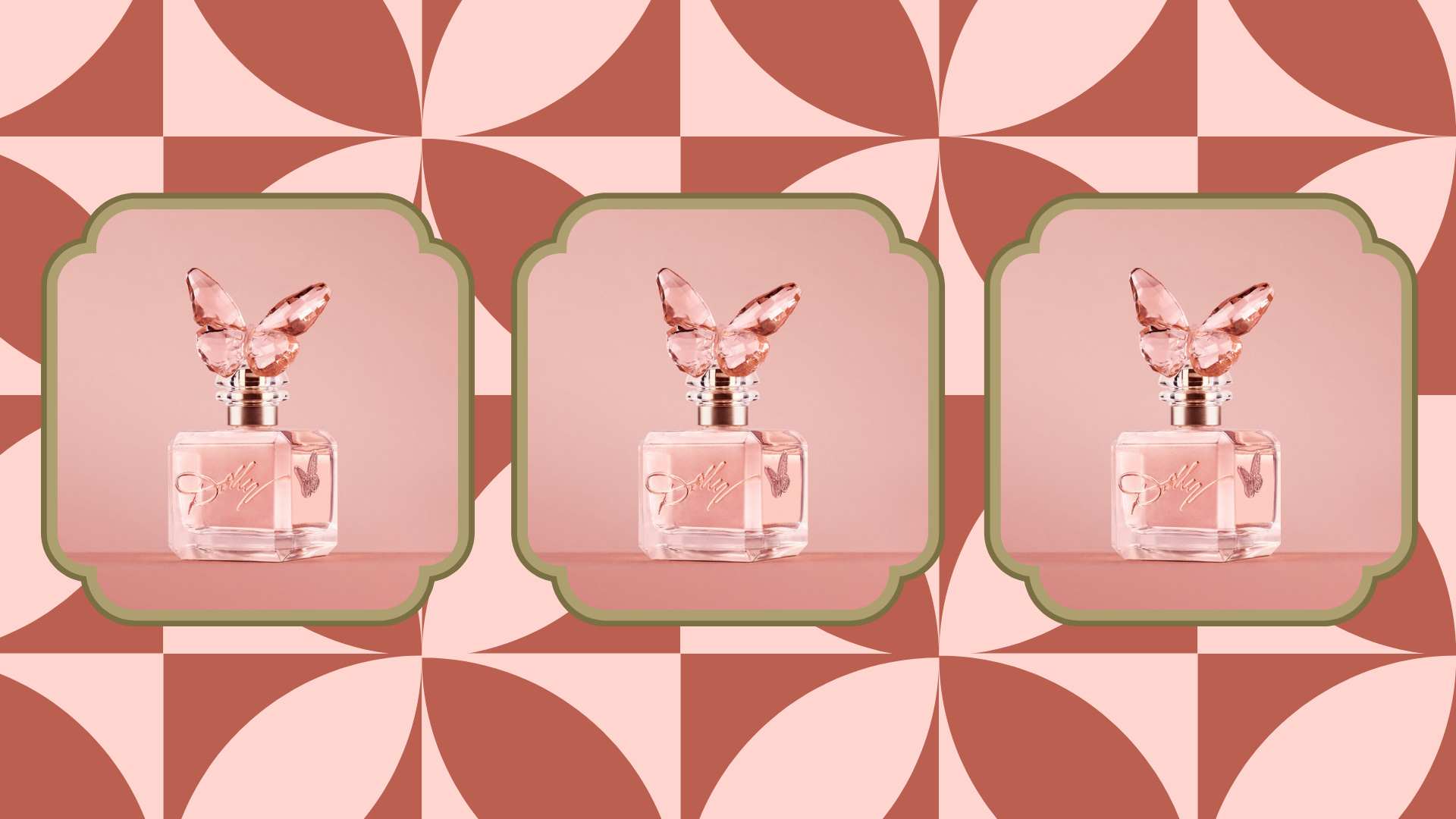
With that, we have about reached the outer limits of my perfume knowledge. My final advice is not to store perfume in the bathroom, and if anyone had a lead on acquiring muppet perfumery or thoughts on Dolly: Scent from Above (which, if we're being honest, I will inevitably purchase), lmk!
Update: I have purchased ‘Dolly: Scent from Above,’ as well as the corresponding hand lotion (I get very dry skin in winter), and quite like it! Plus, the bottle is very fun….